Our Story

A Family Legacy in Hing

Our family has been in the hing trade for three generations, starting in Khari Baoli, Delhi. Today we bring strong, fresh hing to Indian kitchens.

Our Journey

Our Mission

To bring strong, real-tasting hing to every Indian kitchen.

Our Vision

To be the hing brand families trust for daily cooking.

Our Values

Quality · Honesty · Family Tradition

Our journey

Yellow Hing began its journey rooted in the rich tradition of asafoetida, known for its distinct aroma and flavor that enhances countless dishes. Established to provide the highest quality hing sourced from the pristine foothills of Central Asia, our mission is to bring this unique spice into every household. With a profound respect for ancient culinary arts and a commitment to sustainable practices, we ensure that every product reflects the true essence of this cherished ingredient. Join us as we celebrate the versatility of hing in everyday cooking!

What Is Hing?

What Is Hing?

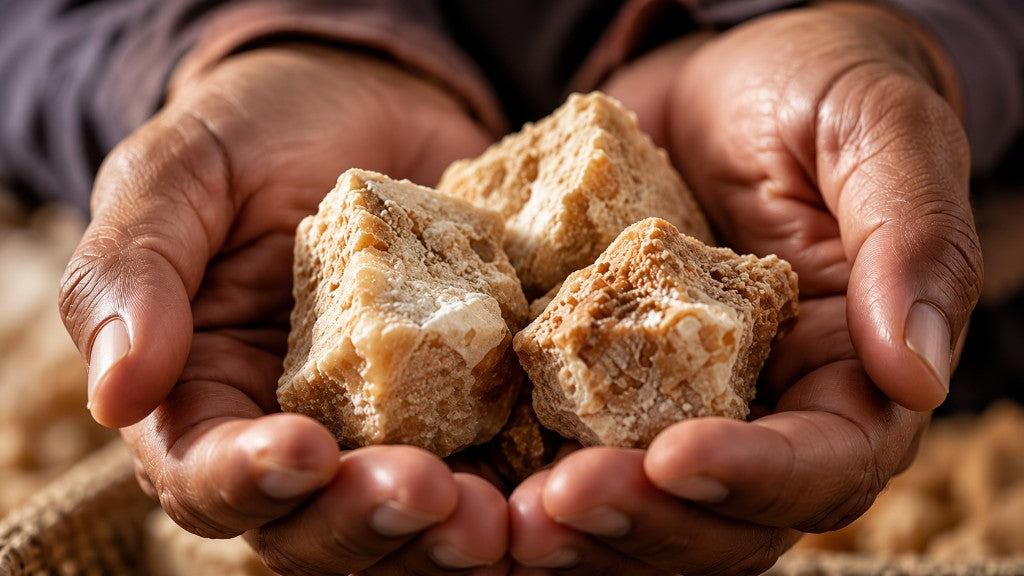
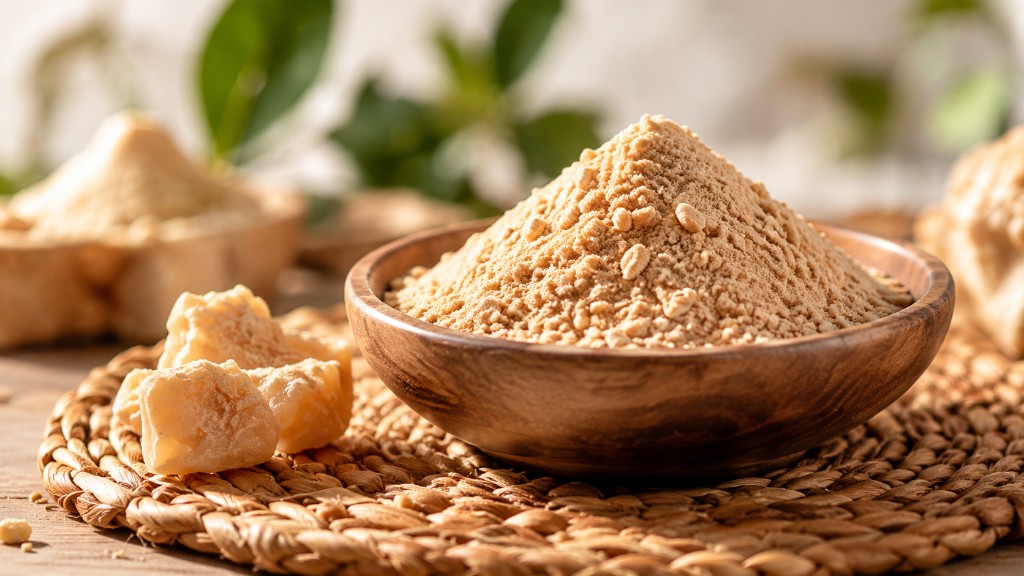
Hing (asafoetida) is a strong-smelling resin taken from the root of the Ferula plant. Its name comes from the Persian word asa (resin) and the Latin word foetida (smelly).

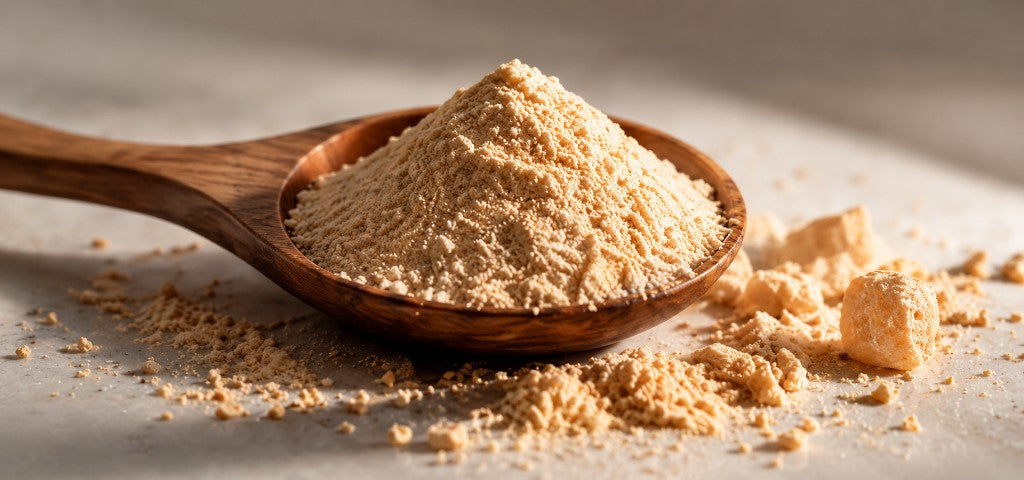
In hot oil, its sharp smell turns into a soft onion-garlic aroma. That is why a small pinch makes dal, sabzi and sambhar taste better. Hing has been part of Indian kitchens for centuries.
Where Our Hing Comes From

Where Our Hing Comes From

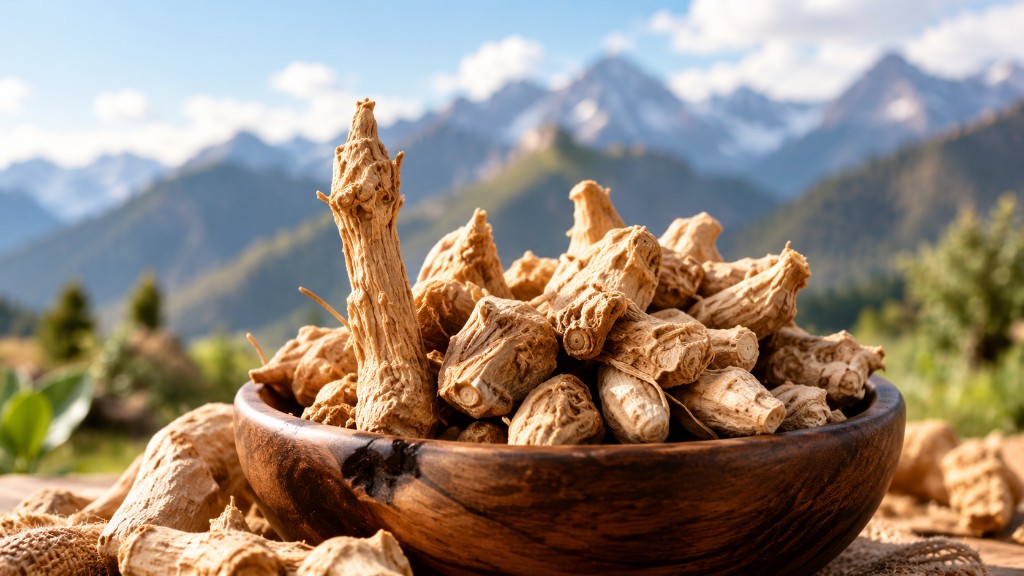
Hing grows in Iran, Afghanistan and Central Asia. Most of the hing used in India is imported. We buy raw hing resin from Iran, Uzbekistan, Tajikistan and Kazakhstan, then pack it in India.

The Hing Plant

The Hing Plant

The hing plant grows up to 2 metres tall and has a thick, carrot-like root. The resin is collected from the root after 4–5 years, which is why good hing is rare.

Types of Hing

Types of Hing

There are two main types: Hing, which has a strong aroma, and Hingra, which is milder. By origin, hing is called Irani or Pathani (Afghan). Hadda is the premium grade.

What Is Inside Hing?

What Is Inside Hing?

Hing has natural resin, gum and a small amount of oil. The oil holds sulphur compounds, which give hing its strong garlic-onion smell. In cooking: fry a small pinch in hot oil or ghee. It is used in sambhar, rasam, dal and sabzi. Many families who avoid onion and garlic use it for extra flavour.

Yellow Hing: Our Family Journey

  1. 01

    Khari Baoli, Delhi

    Lala Ram Dev Arya moved from Rajasthan to Delhi and started a hing business.

  2. 02

    Making Our Own Hing

    His sons began making hing, using the family recipe.

  3. 03

    Supplying Across India

    Hing went to traders in Hatras, Kanpur, Indore, Chennai and more.

  4. 04

    Importing at the Source

    Lalit Mohan began importing hing from Iran and other countries.

  5. 05

    Yellow Hing Today

    Lalit Mohan started the Yellow Hing brand for home kitchens.

Our Leadership

Lalit Mohan

Lalit Mohan

Founder & CEO

Visionary behind the brand, driving strategy, expansion, and key partnerships.

Late Sri Roshan Lal

Late Sri Roshan Lal

Operations Director

Oversees both online and offline store operations, ensures seamless logistics and staff coordination.

Why Choose Us for Asafoetida?

Our commitment to quality and tradition sets us apart, ensuring you get the best for your culinary needs.

Authentic Sourcing

We source our asafoetida directly from trusted regions.

Quality Assurance

Every batch is tested for purity and aroma.

Culinary Versatility

Perfect for vegetarian and traditional recipes.

Health Benefits

Rich in minerals and natural goodness.